
5 Calming Indoor Plants Best for Your Mood & Spaces
The right plant in the right space doesn't just look beautiful
— it changes how you breathe, think, and feel.
Most people invest heavily in furniture, finishes, and fittings — yet overlook one of the most powerful and affordable tools in holistic interior design: living plants. Research consistently shows that the presence of indoor greenery reduces cortisol levels, lowers blood pressure, and improves air quality. For hospitality spaces and boutique Airbnbs, that translates directly into guest experience. For residential homes and new builds, it shapes daily wellbeing.
Here are five plants that every thoughtfully designed space should consider — and exactly why they work.
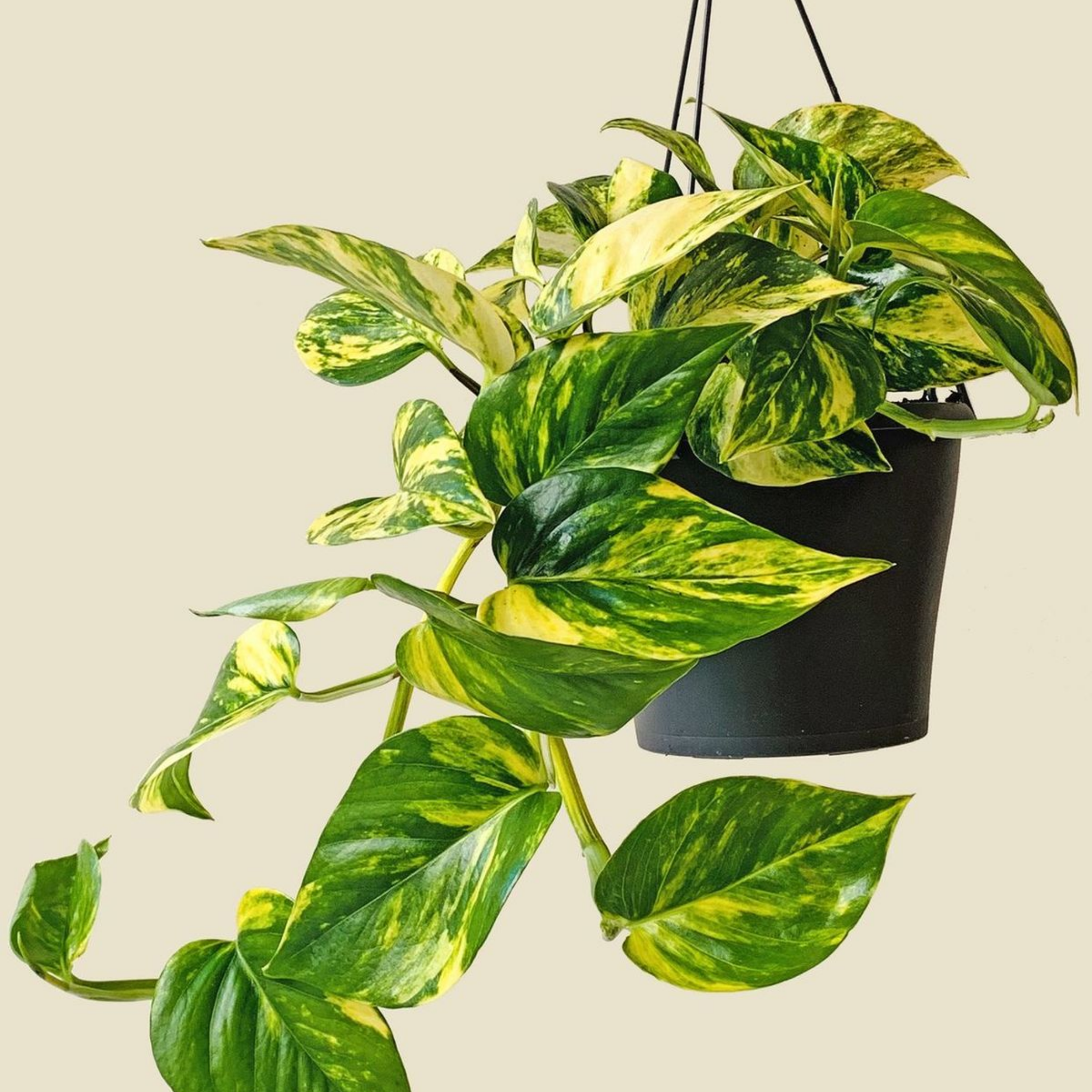
1. Pothos (Epipremnum aureum)
— The Anxiety Antidote
Effortless, flowing, and incredibly resilient — the Pothos is one of the most beloved plants in holistic interior design, and for very good reason. Its trailing vines and heart-shaped leaves soften hard architectural lines, instantly making a room feel more lived-in and breathable. It thrives in low light, tolerates irregular watering, and grows generously with very little fuss.
Beyond its beauty, the Pothos is a proven air purifier. It actively filters toxins such as formaldehyde and benzene from indoor environments — a particularly valuable quality in newly built or recently renovated spaces where off-gassing from paints and materials is common. For builders and developers, this makes it an ideal finishing touch in show homes and new builds.
Design tip: Drape it over a high shelf, trail it along a mantlepiece, or hang it in a macramé planter for a layered, resort-like effect.
Best for: Entryways, shelving, hotel corridors, guest bedroom windowsills, show homes
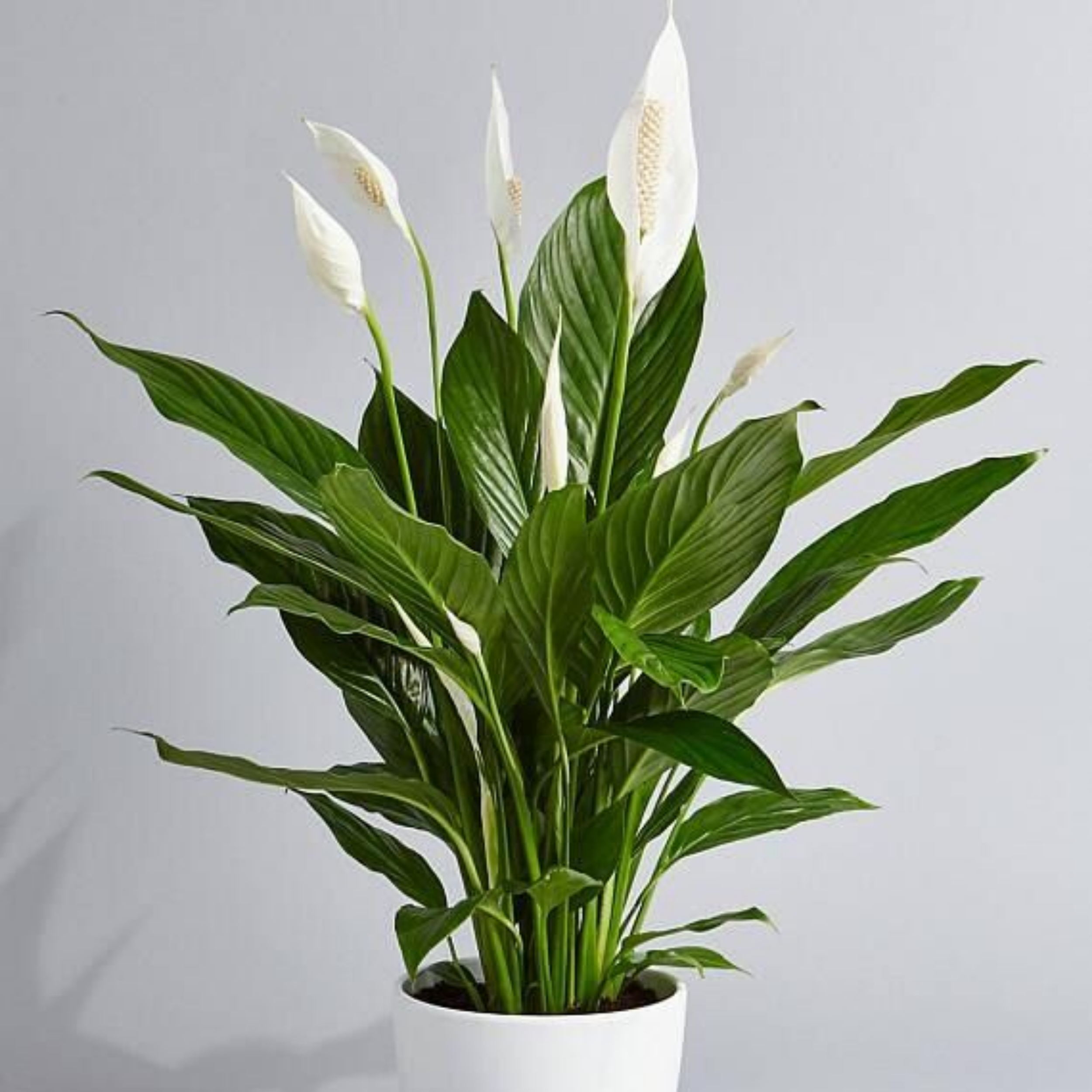
2. Peace Lily (Spathiphyllum)
— The Energy Cleanser
There is a reason the Peace Lily is so frequently found in retreats, wellness spaces, and boutique hotels. It doesn't simply sit in a corner looking serene — it actively works to improve the environment around it. The Peace Lily absorbs airborne pollutants, releases moisture into dry, air-conditioned spaces, and brings a quiet, elegant presence that immediately lowers the visual temperature of a room.
In holistic design, it is used intentionally in rest spaces to reduce the energetic 'noise' that accumulates in well-used interiors. Its white blooms carry a clean, uncluttered energy that works beautifully against neutral palettes, natural linens, and organic textures. Perfect for bedrooms, guest suites, and retreat-style stays where the priority is rest and restoration.
Design tip: Pair with warm-toned ceramics or woven baskets for a spa-inspired aesthetic that photographs beautifully and feels even better in person.
Best for: Bedrooms, guest suites, spa corners, reading nooks, boutique Airbnb living areas
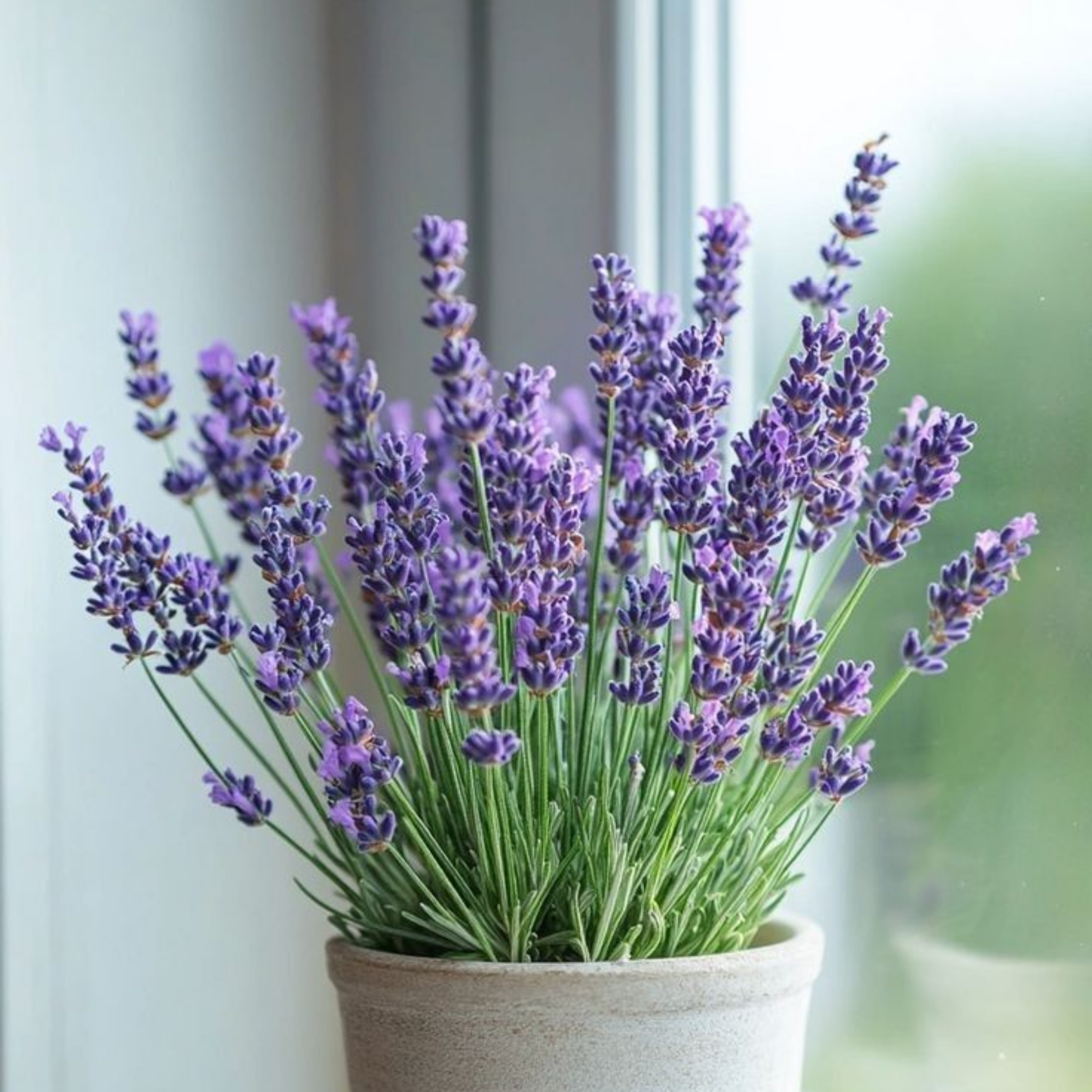
3. Lavender (Lavandula)
— The Sleep Architect
Yes — Lavender grows indoors, and it is one of the most powerful plant choices a holistic designer can recommend for sleep-focused spaces. Clinically, lavender's scent has been shown to reduce heart rate and blood pressure, calm the nervous system, and improve sleep quality. In a hospitality or residential context, a small potted lavender near a window achieves something no diffuser or candle quite replicates: it is living, breathing, and naturally aromatic.
Its soft, silvery-green foliage and delicate purple stems also bring an unmistakable visual gentleness to a space. It is a two-sense design move — engaging both sight and smell to create a sensory environment that signals rest. For Airbnb hosts, it is a small, thoughtful detail that guests will genuinely notice and remember.
Design tip: Position in a south-facing window for the best growth. Keep the pot compact and styled in a terracotta or matte white planter for a clean, botanical finish.
Best for: Bedside tables, bathroom windowsills, wellness spaces, boutique guest rooms
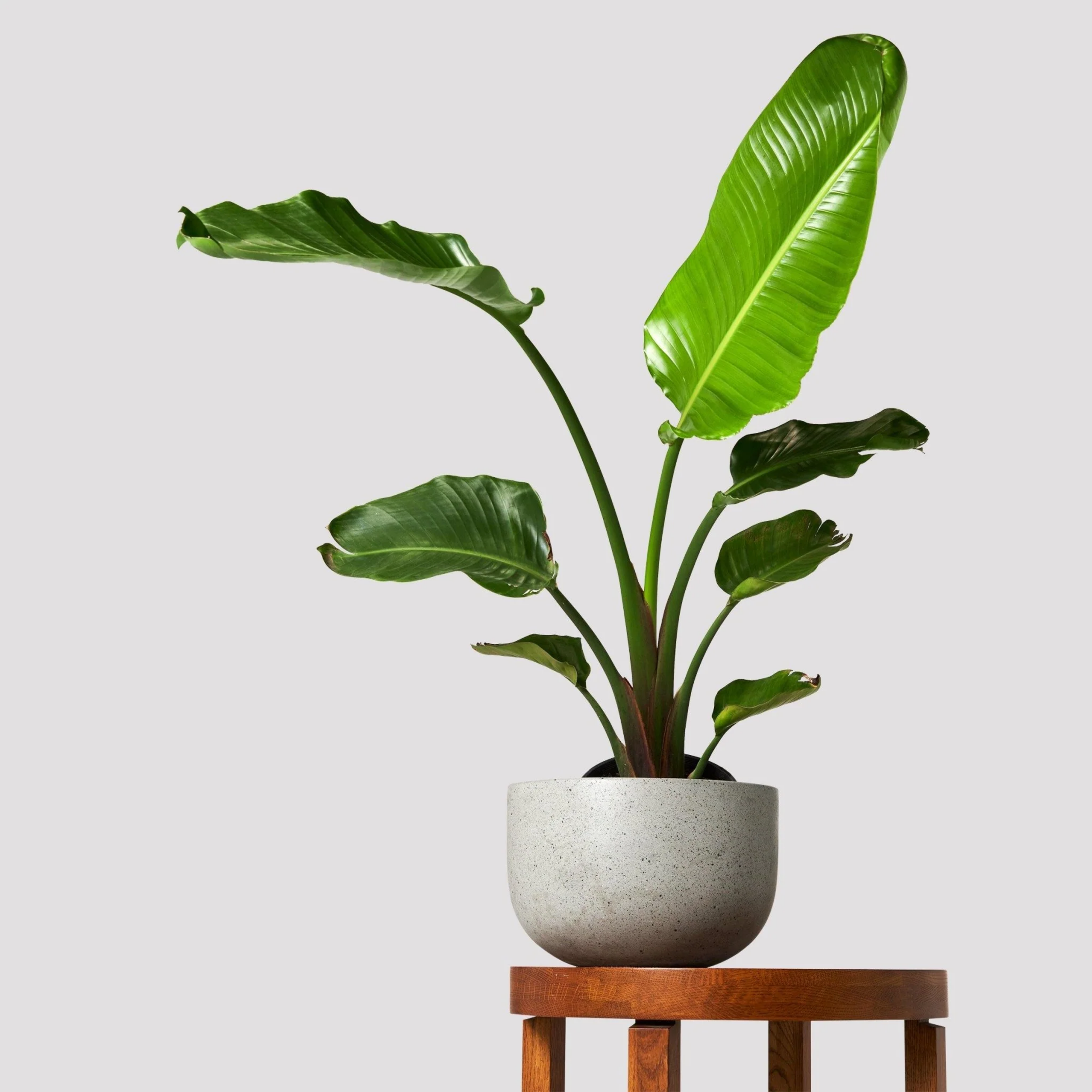
4. Bird of Paradise (Strelitzia reginae)
— Your Statement Personality
Few plants command a room quite like the Bird of Paradise. Its broad, sculptural leaves bring an instant sense of lush, tropical calm — the kind you expect in a high-end hotel lobby or a beautifully styled open-plan living space. But beyond its striking appearance, it does something quietly powerful in a room: it anchors it. Large-leafed plants create a natural focal point, drawing the eye and grounding the visual field in a way that smaller plants simply cannot.
For hospitality spaces, boutique Airbnbs, and residential interiors with high ceilings or generous floor plans, the Bird of Paradise delivers luxury without the price tag of bespoke furniture. It thrives in bright, indirect light and grows generously over time — making it a long-term investment in both your interior and your guests' experience.
Design tip: Position in a statement corner with a textured planter — oversized rattan, concrete, or matte black all work beautifully. Allow it room to breathe and grow; it will reward you.
Best for: Living rooms, open-plan spaces, hotel lobbies, statement corners, reception areas
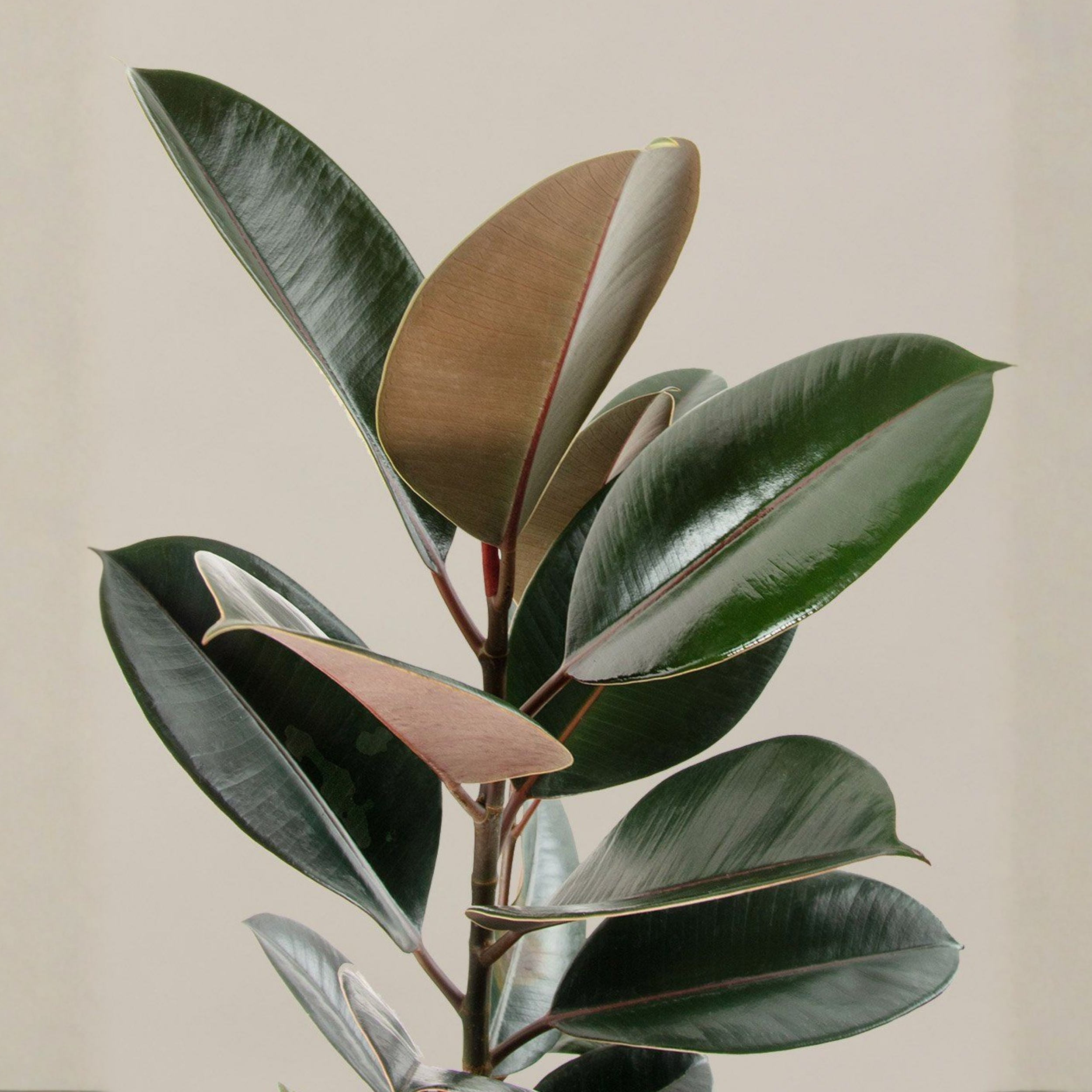
5. Rubber Plant (Ficus elastica)
— The Quiet Purifier
Understated, elegant, and remarkably hardworking — the Rubber Plant is a staple of considered interior design for very good reason. Its deep, glossy leaves, ranging from rich forest green to burgundy, add a grounding, earthy quality to any interior. In holistic design, it is valued not only for its visual warmth but for its exceptional air-purifying properties, quietly removing toxins and improving the quality of the air breathed every single day.
Unlike more dramatic statement plants, the Rubber Plant works almost anywhere. It suits a cosy residential reading corner just as naturally as it does a boutique Airbnb bedroom seeking that effortless, curated feel. It tolerates lower light conditions, requires minimal maintenance, and grows slowly and deliberately — a plant that rewards patience with enduring beauty.
Design tip: Style in a textured planter at floor level beside a sofa or armchair. Its sculptural quality makes it feel intentional even in the simplest spaces.
Best for: Bedrooms, reading corners, dim spaces, minimalist and Japandi-style interiors, new build show homes
“A well-placed plant doesn't just fill a corner — it changes the frequency of a room.”
The Holistic Truth
The most restorative spaces — whether a luxury hotel suite, a beautifully appointed boutique Airbnb, wellness and commercial spaces or a home that genuinely feels like a sanctuary — are never designed by accident. They are layered, intentional, and deeply considered. Plants are not an afterthought in these spaces. They are an active ingredient.
For builders and developers, incorporating biophilic elements from the outset — rather than as a finishing flourish — creates spaces with demonstrably stronger emotional impact. For hospitality managers, the feeling a space creates is the product. And for homeowners, it is simply about living better, every single day.
Ready to design a space that truly feels as good as it looks?
Whether you are designing a hospitality, wellness or commercial spaces, finishing a new build, or creating a home that genuinely restores — holistic interior design can help you get there.
Get in touch to start the conversation 📩
Save this post and share it with someone creating a new space.
Only a few consultations left — don't miss yours.